


5 Important Things to Know Before Buying the Samsung S26 Ultra
Upgrading a phone rarely happens on impulse.
Two or three years pass. The device still works, technically. But it feels slower. The battery doesn’t last the day. Storage fills up faster than expected.
Then comes the moment.
A premium phone sits in the cart. The price is high. The promise feels even higher.
This is where many decisions get rushed. Not because the product is unclear, but because the urge to pick the “best” phone starts to outweigh the need to pick the right one.
This article isn’t a feature list.
It’s a decision filter. A way to pause and focus on what actually matters before spending premium money on a flagship device.
Why the Samsung S26 Ultra Looks Tempting — and Why That Alone Isn’t Enough
The “Ultra” reputation effect
The word “Ultra” carries weight.
It signals the top tier. No compromises. Everything pushed to the limit.
For many buyers, that label alone settles the decision before the details even enter the picture. The logic feels safe: if it’s the Ultra, it must be the best option available.
Branding works quietly this way. It shapes expectations long before specifications, reviews, or real-world usage come into focus.
Where buying decisions often get rushed
New launches create momentum.
There’s excitement. Early previews. Headlines everywhere.
In this cycle, February and March start to matter more than they should. Launch windows create urgency, even when personal readiness hasn’t changed.
It becomes easy to assume that newer automatically means better for everyone. That assumption skips an important question.
Does it actually fit how the phone will be used every day?
That’s where the checkpoints begin.
1. What’s Actually New — and What’s Mostly Iteration
Not every upgrade changes daily life.
Some do. Many don’t.
Changes that affect everyday use
The device is expected to debut in late February 2026, with retail availability following in March. For those upgrading from much older generations, timing alone can make the change feel significant.
Performance improvements come from a newer flagship processor built on a more efficient process. In daily use, this shows up as smoother multitasking, quicker app launches, and more consistent performance during long sessions.
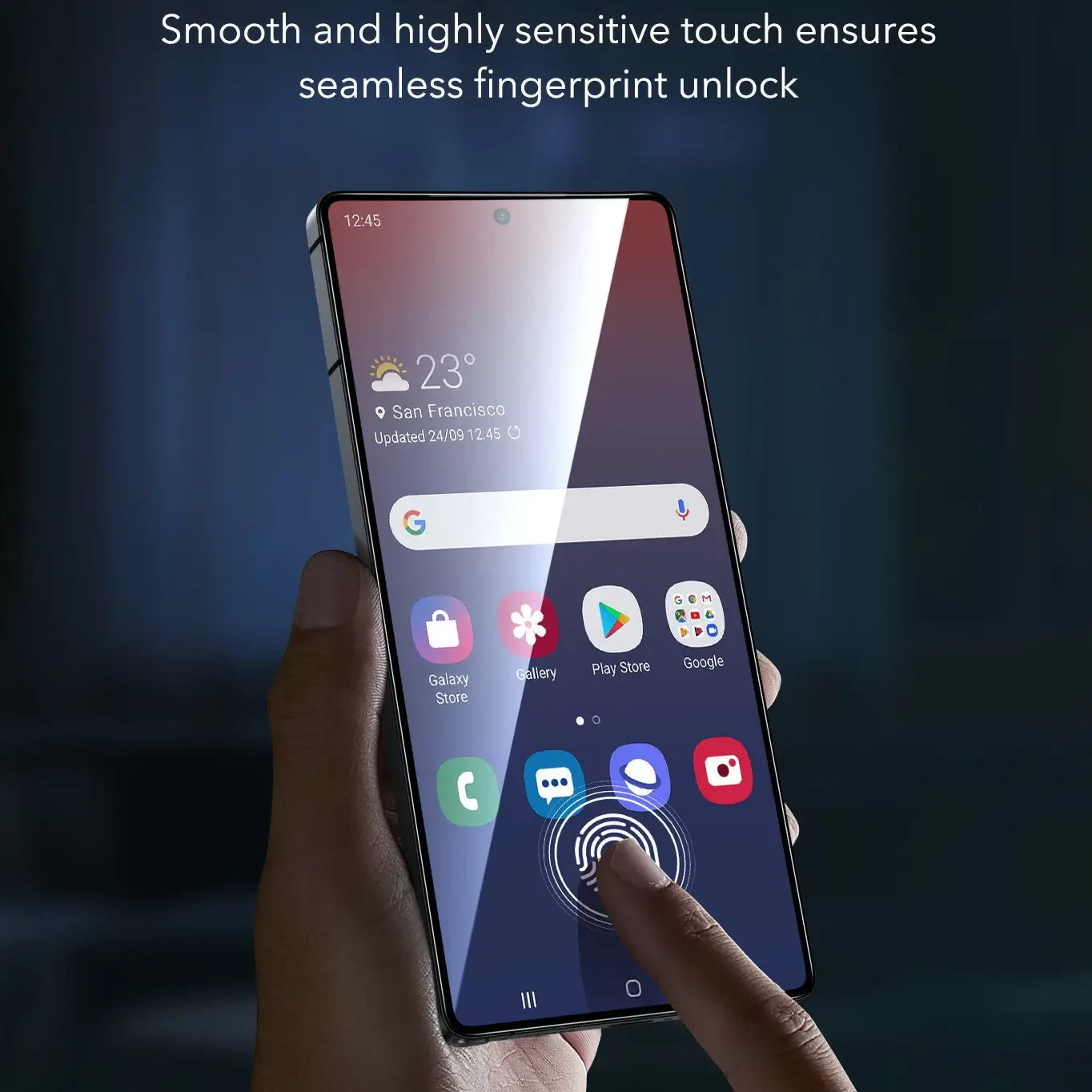
Display behavior also evolves. The screen grows to 6.9 inches with QHD+ resolution, but the more meaningful change is privacy handling. A new privacy-focused display feature can automatically reduce visibility when someone nearby glances at the screen, based on surroundings and activity.
Battery efficiency improves in quieter ways. Not through higher capacity, but by managing power more intelligently across everyday routines.
Changes that mostly impact spec sheets
Some upgrades impress immediately on paper.
The base variant now starts with higher storage, and memory speeds see a noticeable bump in benchmarks.
These changes matter most to heavy users. For most people, they simply help the phone feel fast and responsive for a longer period.
For someone upgrading from a much older Ultra model, the difference feels dramatic. For those coming from the most recent generation, it feels more like refinement than reinvention.
2. Camera Improvements: Better Everyday Results or More Creative Control?
Cameras remain one of the strongest reasons people choose premium phones.
They’re also where expectations rise the fastest.
Consistency versus standout shots
Everyday photography is rarely cinematic.
It’s documents, food, pets, and quick indoor moments. Most premium cameras already handle these reliably.
The main camera now uses a larger sensor, which helps in low light and improves detail retention. Ultrawide and zoom cameras expand creative flexibility rather than dramatically changing everyday results.
The improvement is real. It simply shows up more in control and range than in obvious daily differences.
Who is most likely to notice the upgrade
Casual users tend to notice reliability and consistency.
Content creators benefit more directly, especially with improved sensors and better video and zoom control.
Those who rely heavily on long-range zoom see the clearest gains.
One point remains constant. Higher megapixel counts don’t automatically translate into better photos for most people.
Battery and Performance: How It Holds Up in Real-World Use
Benchmarks describe peak performance.
Daily use reveals patterns.
Usage scenarios that actually matter
Long screen-on days tell the real story.
Gaming stresses heat management differently than routine multitasking. Travel days combine navigation, camera use, and constant network switching.
A 5,000mAh battery paired with more efficient processing aims to make these days easier to manage. Faster wired charging helps reduce downtime between sessions.
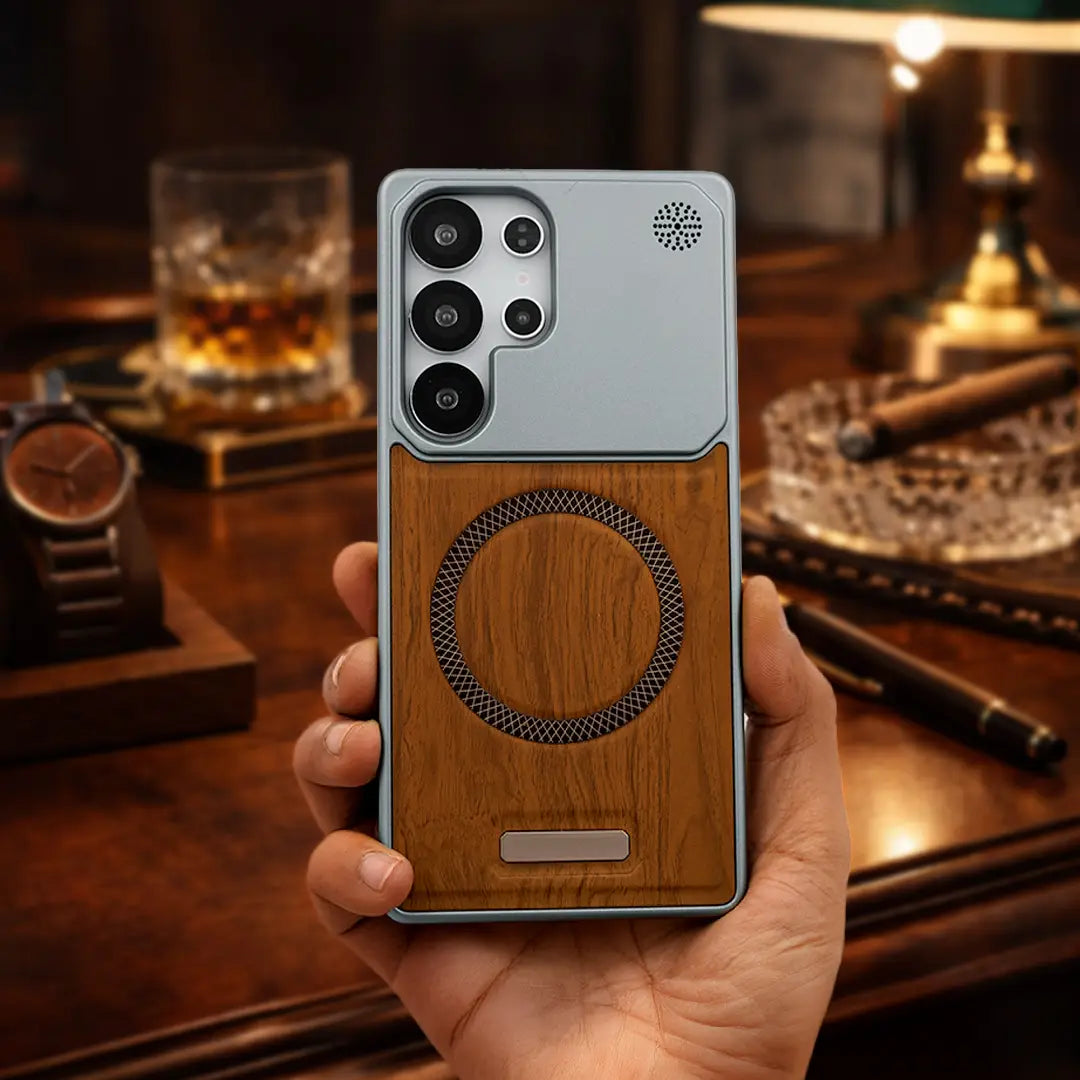
It’s also why many buyers pair premium phones with S26 ultra phone cases early on, especially during travel, where drops and wear are more likely. With availability on platforms like Million Cases online, protection becomes a simple decision rather than a long search.
Trade-offs worth understanding
Higher performance still generates heat. That hasn’t changed.
Thermal management determines whether performance stays consistent or tapers during extended use.
Software optimization continues to improve through updates. It enhances stability, but it doesn’t remove hardware limits.
These aren’t warnings. They’re practical realities.
Price, Timing, and the Real Cost of Buying Early
Price isn’t just about how much is paid.
It’s also about when it’s paid.
Launch pricing versus long-term value
The expected launch price places the device firmly in premium territory.
Historically, prices soften after the initial release window. Seasonal sales and festive periods reshape value within a few months.
Buying at launch often means paying for immediacy.
When buying early makes sense
A failing battery or constant storage pressure changes the equation.
Work reliance, frequent travel, or content creation can justify an early upgrade.
Early buyers also tend to invest in protection right away. S26 ultra phone cases often become part of the initial setup, chosen more for peace of mind than appearance.
Who the Samsung S26 Ultra Is Designed For
Not every powerful device fits every lifestyle.
Ideal buyer profiles
Power users who push their phone throughout the day see clear value.
Those who rely on pen input or advanced multitasking benefit the most.
Some users prefer one device that handles work, media, and creativity without compromise.
These buyers usually think ahead. Protection choices like S26 ultra phone cases are often decided early, alongside storage and color preferences.
In the End
The S26 Ultra is powerful.
From launch timing to daily use, from performance to protection choices like S26 ultra phone cases, each detail shapes how the device fits into real life.
The best phone is the one that fits how people live. Not how it’s marketed.


